Search

 Polish
 English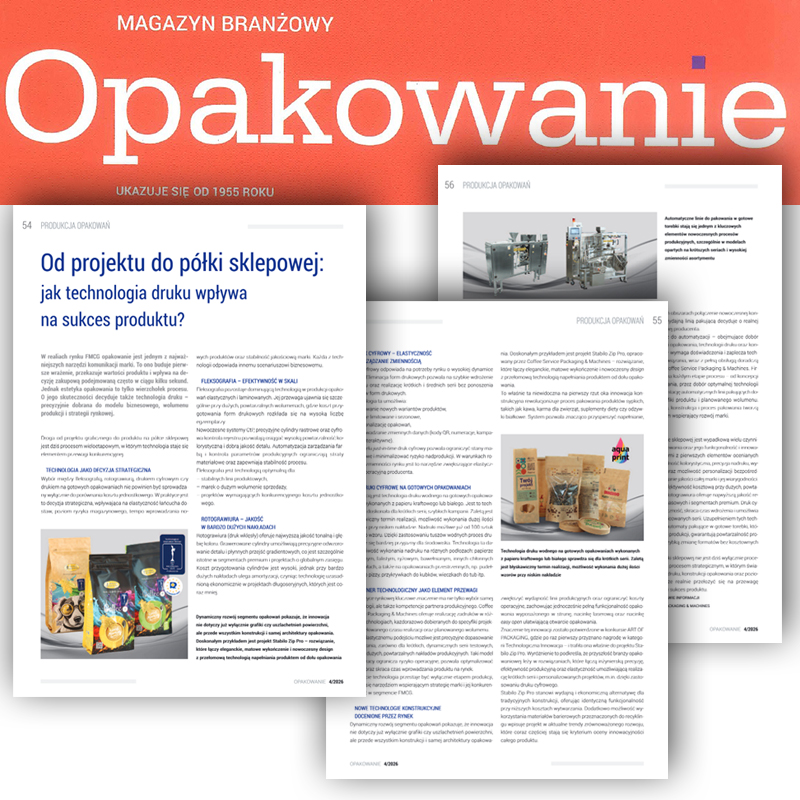
From design to shelf: how does printing technology impact product success?
In the FMCG market, packaging is one of the most important brand communication tools. It creates the first impression, conveys the product’s value, and influences purchasing decisions, often made in seconds. However, packaging aesthetics are only the beginning of the process. Its effectiveness is also determined by printing technology precisely matched to the business model, production volume, and market strategy. Today, the path from graphic design to product on the store shelf is a multi-stage process, in which technology becomes a competitive advantage.
TECHNOLOGY AS A STRATEGIC DECISION
The choice between flexography, rotogravure, digital printing, or pre-printed packaging shouldn’t be reduced to a simple unit cost comparison. In practice, it’s a strategic decision that impacts supply chain flexibility, inventory risk, the pace of new product introductions, and brand quality stability. Each technology suits a different business scenario.
FLEXOGRAPHY – EFFICIENCY AT SCALE
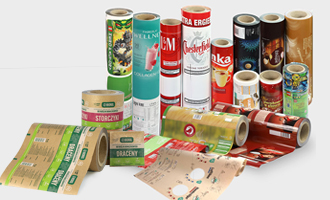
Flexography remains the dominant technology in the production of flexible and laminated packaging. Its advantages are particularly evident in large, repeatable volumes, where the cost of preparing printing plates is spread across a large number of copies. Modern CtP systems, precise anilox cylinders, and digital register control enable high color consistency and excellent detail quality. Automated ink management and production parameter control reduce material waste and ensure process stability.
Flexography is the optimal technology for:
- stable product lines,
- brands with high sales volume,
- projects requiring a competitive unit cost.
ROTOGRAVURE – QUALITY IN VERY LARGE QUANTITIES
Rotogravure (intaglio printing) offers the highest tonal quality and color depth. Engraved cylinders enable precise detail reproduction and smooth gradient transitions, which are particularly important in premium segments and global projects. The cost of preparing the cylinders is high, but it is amortized over very large runs, making the technology economically viable for long-run projects, which are becoming increasingly rare.
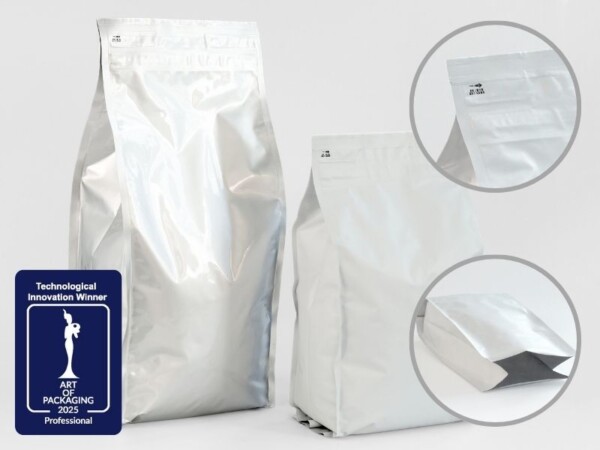
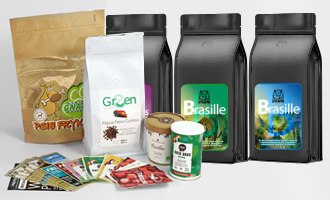
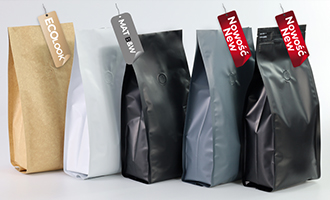
The dynamic development of the packaging segment demonstrates that innovation no longer applies solely to graphics or surface finishes, but primarily to the structure and architecture of the packaging itself. A prime example is the Stabilo Zip Pro project – a solution that combines an elegant, matte finish and modern design with groundbreaking bottom-filling technology.
DIGITAL PRINTING – FLEXIBILITY AND VARIABILITY MANAGEMENT
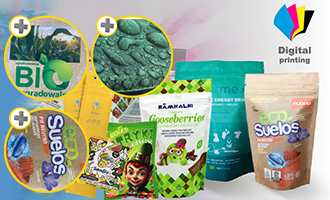
Digital printing meets the needs of a rapidly changing market. Eliminating printing plates allows for rapid project implementation and the production of short and medium-sized runs without the cost of printing plates. This technology enables:
- testing new product variants,
- limited and seasonal editions,
- personalization of packaging,
- entering variable data (QR codes, numbering, interactive campaigns).
In a just-in-time model, digital printing helps reduce inventory levels and minimize the risk of overproduction. In an increasingly volatile market, it’s a tool that increases a manufacturer’s operational flexibility.
DIGITAL PRINTING ON READY-MADE PACKAGING
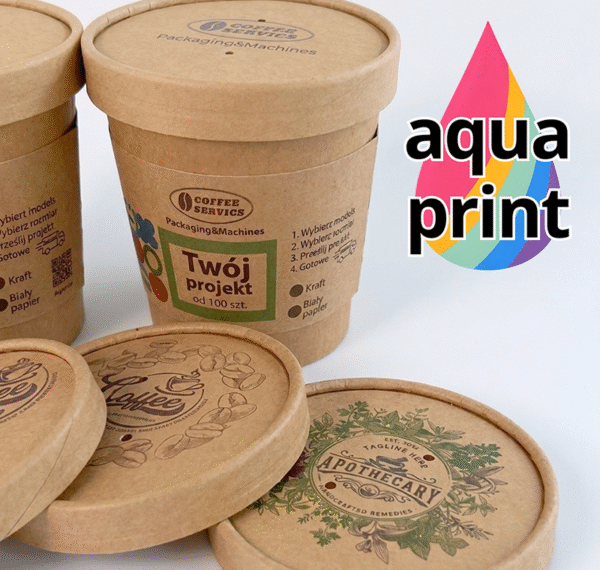
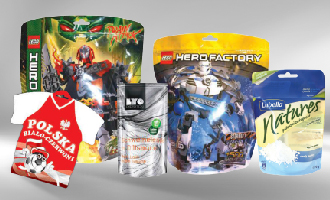
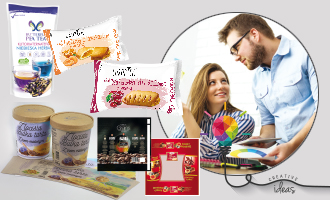
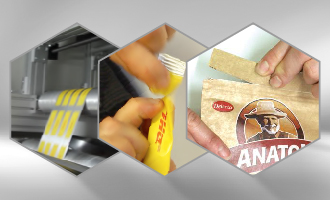
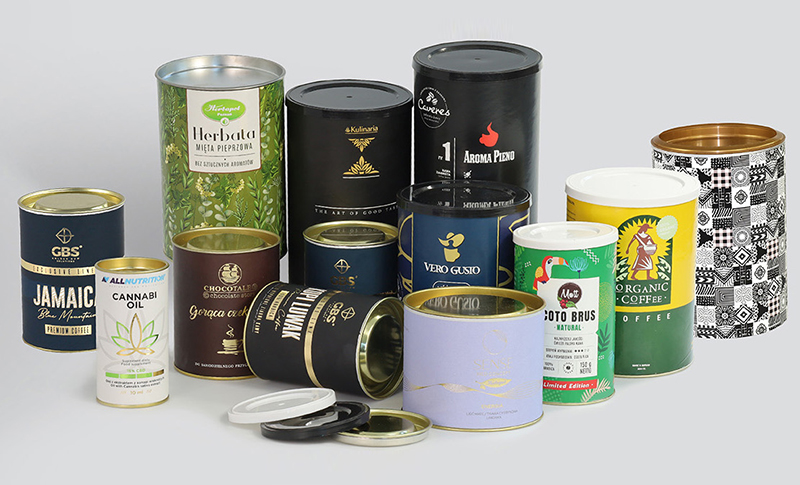
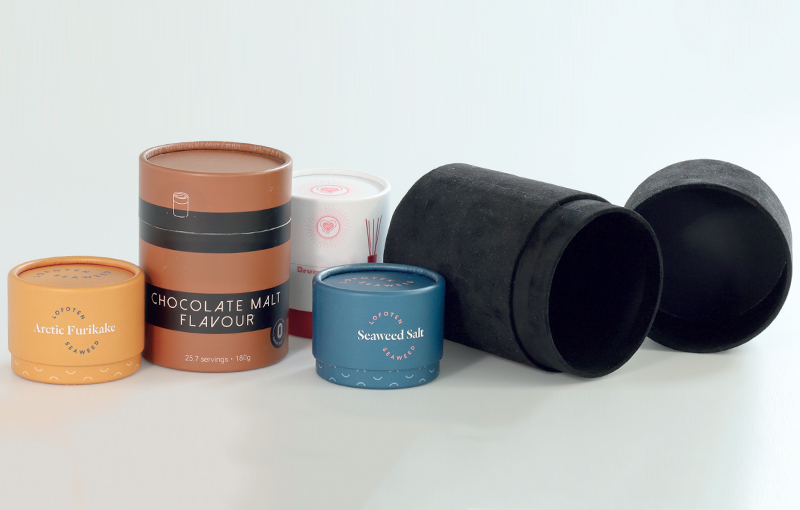
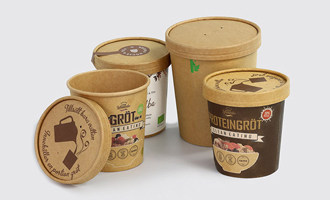
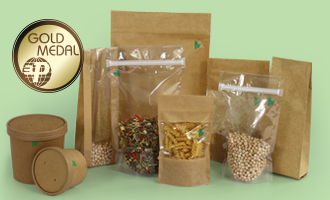
A new innovation is water-based printing on pre-made packaging made of kraft or white paper. This technology is perfect for short runs and quick campaigns. Advantages include rapid turnaround times and the ability to produce a large number of designs at low volumes. Prints are possible from as little as 100 pieces per design. The use of water-based inks makes the printing process more environmentally friendly. This technology allows for printing on a variety of substrates: kraft paper, corrugated paper, rice paper, cotton paper, and other absorbent materials, as well as on 3D packaging such as pizza boxes, cup lids, tube lids, and more.
TECHNOLOGICAL PARTNER AS AN ELEMENT OF ADVANTAGE
In market practice, not only the choice of technology itself is crucial, but also the competence of the production partner. Coffee Service Packaging & Machines offers printing services using a variety of technologies, each tailored to the specific project, expected lead time, and planned volume. This flexible approach allows for precise solution customization, both for short, dynamic test runs and for large, repeatable production runs. This collaboration model reduces operational risk, allows for cost optimization, and shortens time to market. As a result, technology ceases to be solely a production step and becomes a tool supporting brand strategy and its competitiveness in the FMCG segment.
NEW CONSTRUCTION TECHNOLOGIES APPRECIATED BY THE MARKET
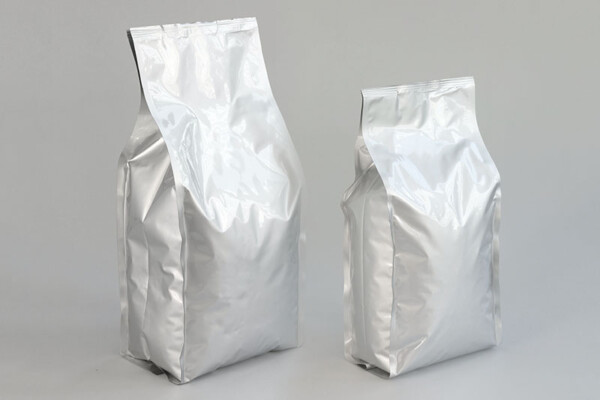
The dynamic development of the packaging segment demonstrates that innovation no longer applies solely to graphics or surface finishes, but primarily to the structure and architecture of the packaging itself. A prime example is the Stabilo Zip Pro project, developed by Coffee Service Packaging & Machines – a solution that combines an elegant, matte finish and modern design with groundbreaking bottom-filling technology. It is this design innovation, invisible at first glance, that is revolutionizing the packaging process for bulk products such as coffee, pet food, dietary supplements, and protein powders.
The system significantly accelerates filling, increases production line efficiency, and reduces operating costs while maintaining the full functionality of the packaging, which features a zipper, laser cut, and easy-open cut for easy opening. The significance of this innovation was confirmed at the ART OF PACKAGING competition, where the first award was presented in the Technological Innovation category, and it went to the Stabilo Zip Pro project. This distinction underscores that the future of the packaging industry lies in solutions that combine engineering precision, production efficiency, and the flexibility to produce short runs and personalized designs, including through the use of digital printing. The Stabilo Zip Pro is an efficient and economical alternative to traditional designs, offering identical functionality at lower production costs. Furthermore, the ability to use recyclable barrier materials aligns the project with current sustainability trends.
PACKING AUTOMATION – THE FOUNDATION OF EFFICIENT PRODUCTION
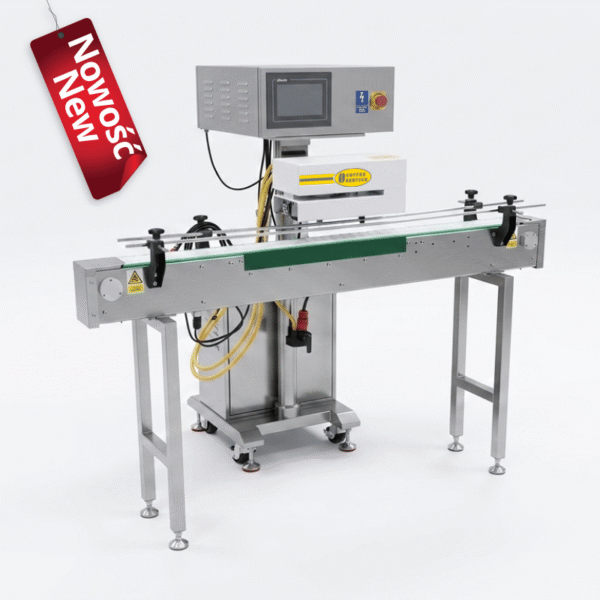
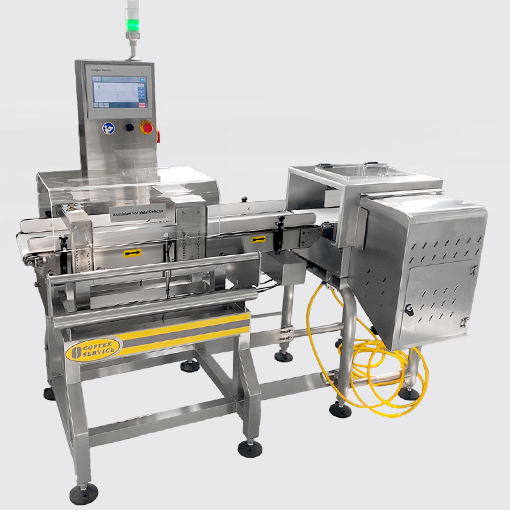
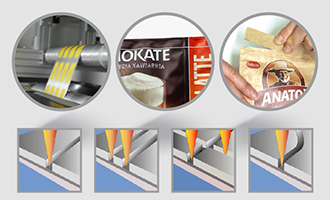
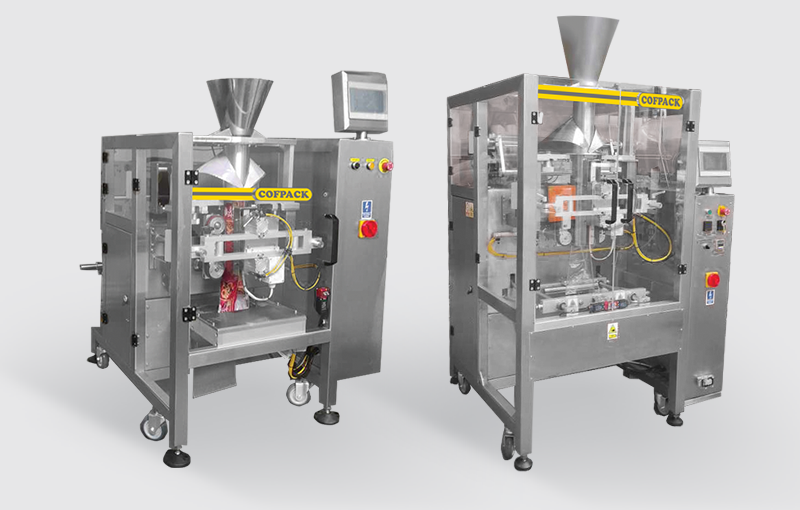
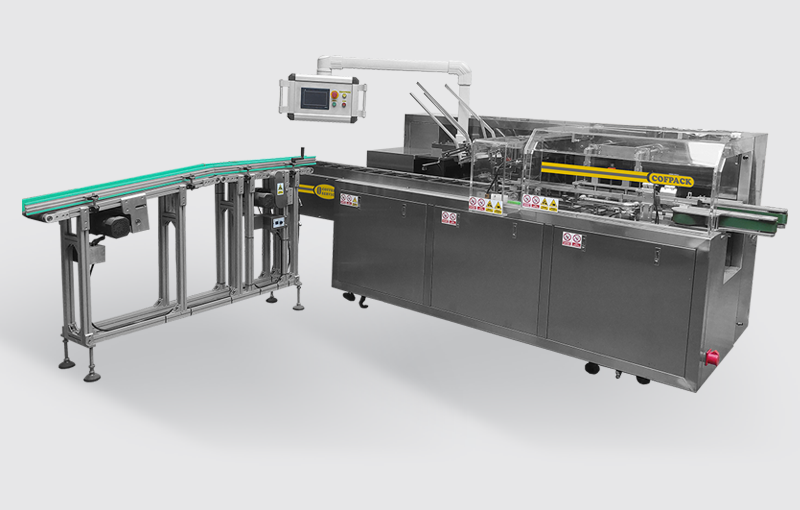
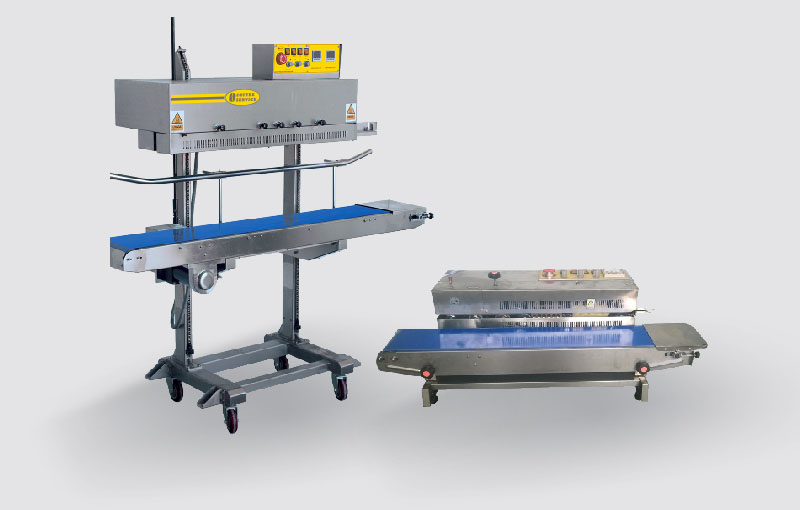
Automated packaging lines for pre-made bags are becoming a key element of modern production processes, particularly in models based on shorter batches and high product variability. Automation is no longer simply a tool for increasing production capacity; it is a strategic element in optimizing costs, quality, and operational flexibility.
The use of automatic systems enables:
- increasing efficiency and reducing dependence on manual work;
- achieving high process repeatability and stable weld quality;
- minimizing product losses;
- quick reconfiguration of the line between different bag formats and dimensions without costly retooling;
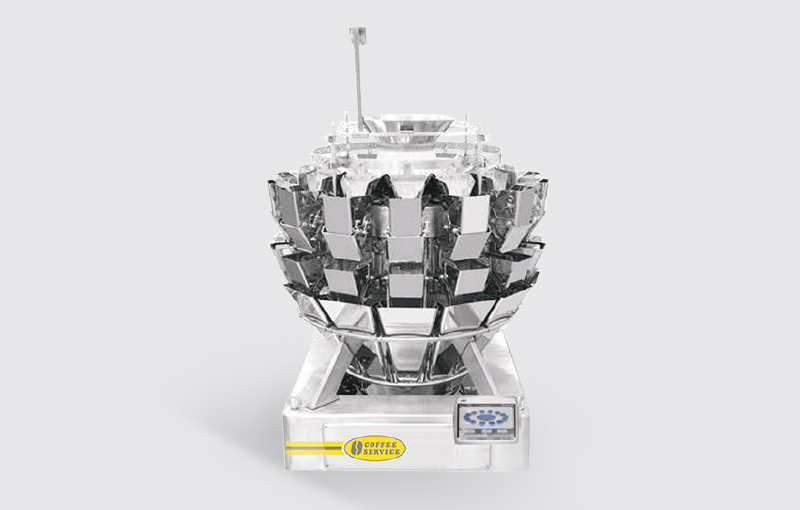
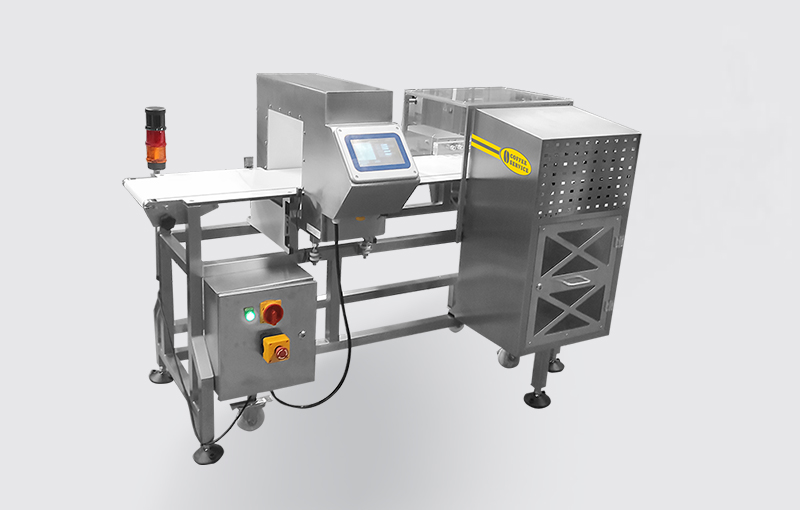
- real-time quality control (weighing systems, presence sensors, bag opening detection, leak control).
In market practice, the most commonly used are:
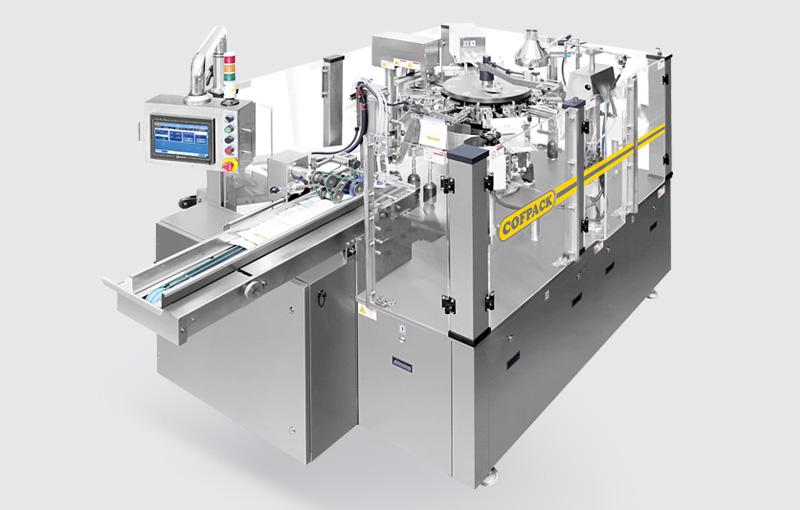
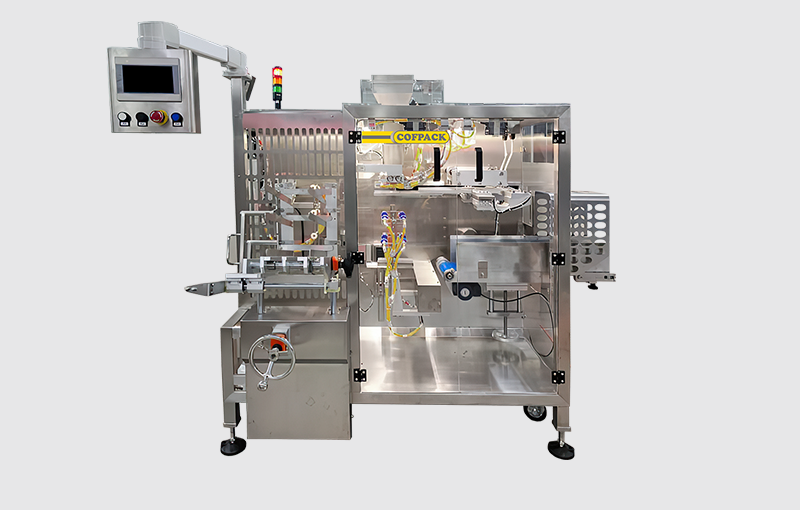
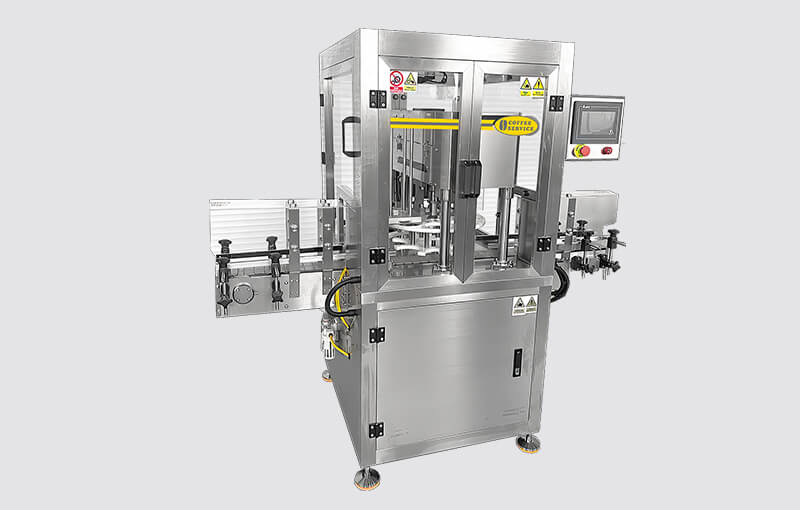
- carousel machines (6-8 positions) with double dosing stations designed for filling flat bags such as sachets, doypacks or box pouches;
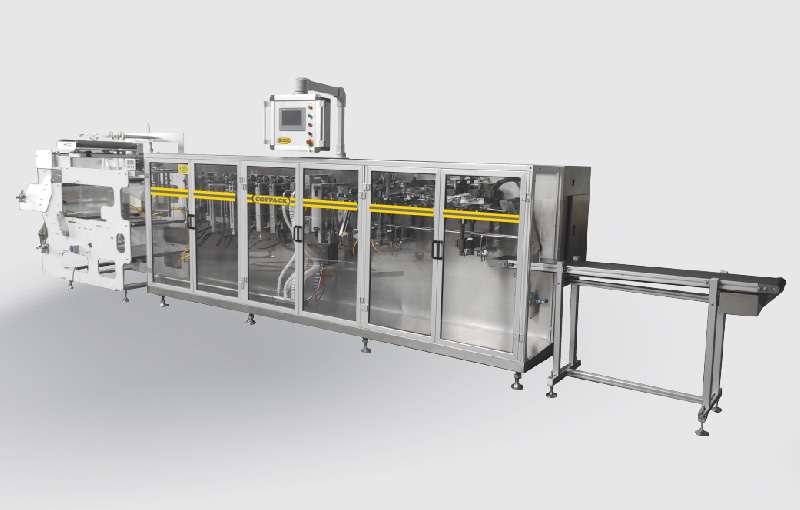
- linear machines (4-7 positions) – handling both flat packaging and three-dimensional structures (bags with side gussets, bottom, stabilo, flat bottom or Stabilo Zip Pro);
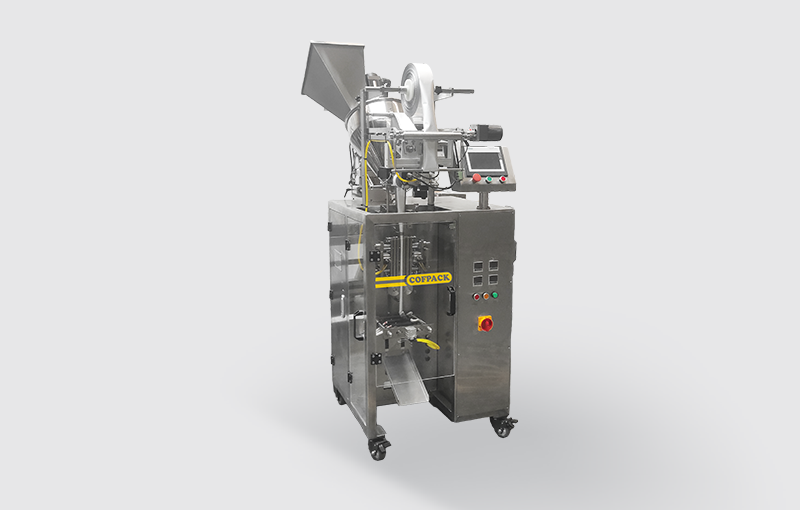
- universal machines, including single-station machines – enabling work with a wide range of shapes and sizes of flexible packaging.
A significant advantage of pre-made pouch packaging is the ability to use packaging with additional features, such as zipper closures, degassing valves, or laser cuts, without the need to invest in separate applicators on the production line. This simplifies the technological process and shortens product implementation time. Automation plays a particularly important role in sectors with high quality requirements and dynamic growth, including the food, pet food, dietary supplements, household chemicals, and cosmetics industries.
A comprehensive approach to automation, including selecting the appropriate packaging design, printing technology, and packaging line configuration, requires experience and technological expertise. Coffee Service Packaging & Machines offers such solutions, along with comprehensive consulting and implementation services. The company provides support at every stage of the process – from packaging concept and design, through the selection of optimal production technology, to the implementation of automated packaging lines.
CONCLUSIONS
A product’s success on the store shelf is the result of many factors, but the quality of packaging, its functionality, and innovation remain among the first elements assessed by consumers. Color stability, print precision, surface finish, and personalization options directly impact the perception of brand quality and credibility. Flexography ensures cost-effectiveness for large, repeatable volumes. Rotogravure offers the highest quality reproduction in mass-produced projects and premium segments. Digital printing introduces flexibility, shortens implementation time, and enables the production of short, diverse series. These technologies are complemented by modern packaging machines for pre-made bags, which increase production efficiency, guarantee process repeatability, and enable rapid format changes. The path from design to store shelf is today a strategic process, in which a conscious choice of technology can truly translate into a competitive advantage and a product’s market success.
BASED ON INFORMATION FROM COFFEE SERVICE PACKAGING & MACHINES